
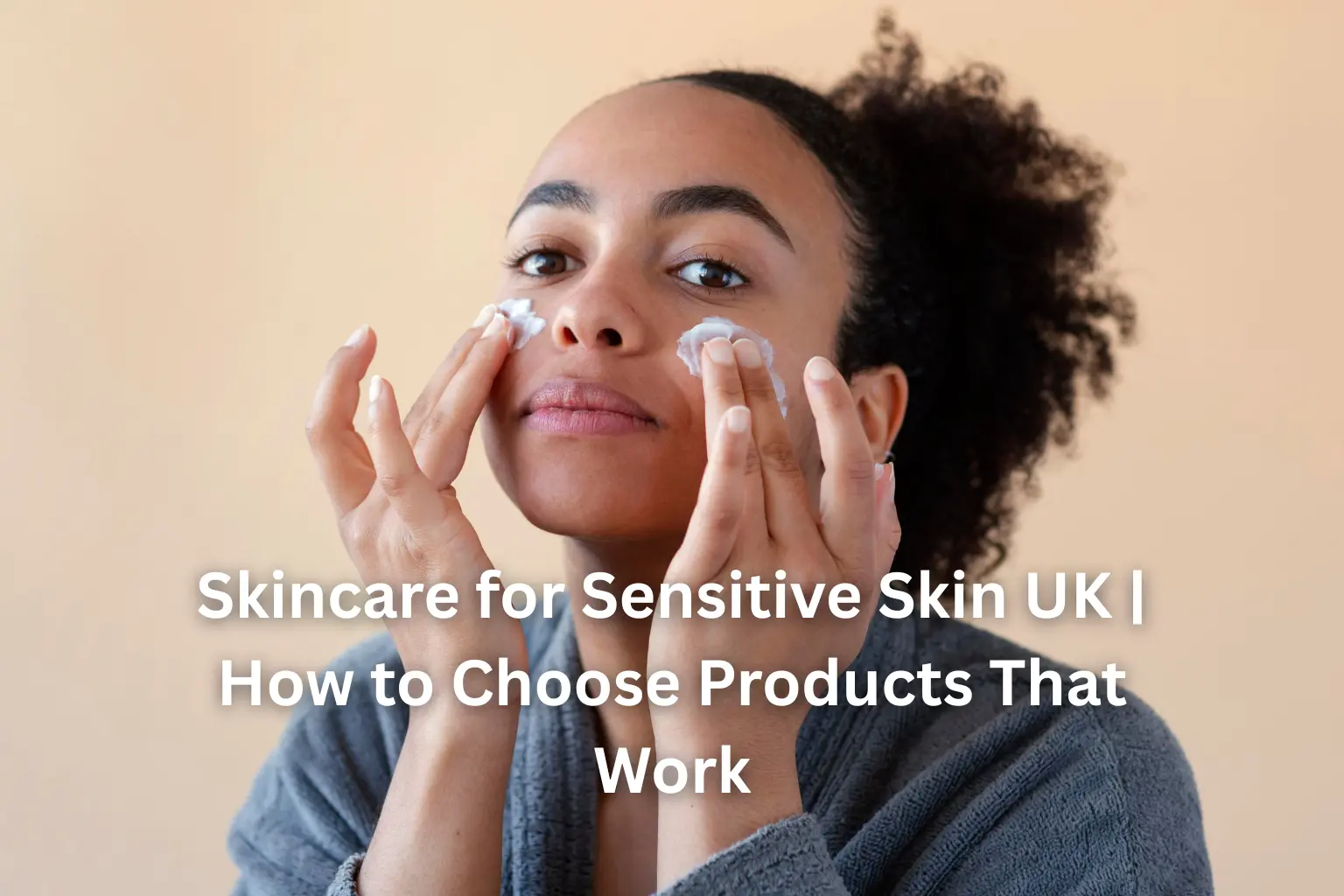
Sensitive skin can be a real challenge to care for. The wrong product can lead to irritation, redness, or a flare-up of existing conditions like eczema or rosacea. In the UK, where the weather and environmental conditions can change rapidly, choosing the right skincare for sensitive skin UK is essential for maintaining healthy, calm skin.
Understanding Sensitive Skin
Before we dive into how to choose the right skincare for sensitive skin in the UK, it’s important to understand what sensitive skin is. Sensitive skin is a condition where your skin reacts more easily to external factors such as environmental changes, skincare products, or stress. This can cause redness, dryness, itching, and even inflammation. Sensitive skin is often more prone to conditions like rosacea, eczema, or allergic reactions.
Why Choosing the Right Skincare for Sensitive Skin UK is Crucial
Choosing the correct skincare products for sensitive skin is vital because it helps to prevent irritation and damage. Many skincare products contain harsh chemicals or fragrances that may trigger a reaction in sensitive skin. In the UK, where weather changes are frequent, the skin can react differently depending on whether it’s summer or winter. Therefore, it’s important to select skincare products that are specifically formulated for sensitive skin to ensure you are giving your skin the care it needs.
How to Choose the Right Skincare for Sensitive Skin UK
When it comes to selecting skincare for sensitive skin in the UK, there are several factors to consider:
1. Know Your Skin Type
The first step in choosing the right skincare products for sensitive skin is understanding your skin type. Sensitive skin may be dry, oily, or a combination of both. Knowing your skin type will help you select products that cater to your unique needs.
-
Dry sensitive skin requires moisturizing products with gentle, nourishing ingredients like ceramides, hyaluronic acid, and glycerin.
-
Oily sensitive skin benefits from lightweight, non-comedogenic products that hydrate without clogging pores.
-
Combination sensitive skin may need a combination of the two, focusing on balancing moisture while preventing excess oil.
2. Look for Fragrance-Free Products
One of the most common irritants for sensitive skin is fragrance. Many skincare products, even those marketed for sensitive skin, contain artificial fragrances that can trigger irritation. When choosing skincare for sensitive skin in the UK, it’s essential to select fragrance-free options. Look for labels that clearly state “fragrance-free” or “unscented” to avoid unnecessary irritation.
3. Choose Hypoallergenic Products
Hypoallergenic skincare products are formulated to minimize the risk of allergic reactions. This makes them an excellent choice for individuals with sensitive skin. Many dermatologists recommend hypoallergenic options for sensitive skin because they are less likely to cause irritation or rashes. Look for skincare lines that offer products specifically designed for sensitive skin and are free from common allergens like parabens, sulfates, and artificial dyes.
4. Check for Simple, Natural Ingredients
When shopping for skincare for sensitive skin in the UK, try to opt for products with minimal ingredients. The fewer the ingredients, the less likely your skin is to react to them. Look for natural ingredients that soothe and hydrate the skin, such as aloe vera, chamomile, calendula, and green tea. These ingredients are well-known for their calming properties and are often included in skincare for sensitive skin.
5. Test Before You Commit
It’s always a good idea to patch-test any new product before applying it to your entire face or body. Apply a small amount of the product on your forearm or behind your ear and wait 24 hours to see if any irritation develops. This simple test can save you from experiencing a potential reaction on your face.
6. Avoid Harsh Chemicals
Certain chemicals in skincare products can aggravate sensitive skin, leading to inflammation or discomfort. Ingredients like alcohol, sulfates, and synthetic fragrances can strip the skin of its natural oils and cause dryness and irritation. When selecting skincare for sensitive skin UK, always read the labels and avoid products that contain harsh chemicals. Opt for more natural or organic alternatives whenever possible.
7. Choose Gentle Cleansers
Cleansing is the first step in any skincare routine, and it’s especially important for sensitive skin. Harsh soaps or cleansers can disrupt your skin’s barrier, causing it to become even more sensitive. Look for gentle, non-foaming cleansers that are free from sulfates and other irritants. Micellar water is another excellent option for sensitive skin, as it gently removes makeup and impurities without stripping the skin.
8. Moisturize Daily
Sensitive skin often has a compromised barrier, which means it can lose moisture quickly. To prevent dryness and irritation, it’s important to use a moisturizer that helps lock in hydration. Choose a rich, nourishing moisturizer that contains ingredients like ceramides, glycerin, or hyaluronic acid. These ingredients help to restore the skin’s moisture balance and keep it soft and smooth.
9. Sun Protection is Key
If you have sensitive skin, protecting your skin from the sun is non-negotiable. UV rays can cause irritation, sunburn, and premature aging. Look for a sunscreen that is formulated for sensitive skin, free from fragrance and harsh chemicals. Choose a broad-spectrum sunscreen with SPF 30 or higher for daily protection.
10. Use Products with Anti-Inflammatory Ingredients
Sensitive skin can often be prone to inflammation and redness. Therefore, look for skincare products that contain anti-inflammatory ingredients such as niacinamide, colloidal oatmeal, or chamomile. These ingredients help calm the skin and reduce irritation.
FAQ: Skincare for Sensitive Skin UK
Q1: What are the best ingredients for sensitive skin?
A1: The best ingredients for sensitive skin include aloe vera, chamomile, calendula, hyaluronic acid, glycerin, and ceramides. These ingredients are gentle and soothing, helping to calm irritation and hydrate the skin.
Q2: Can I use anti-aging products on sensitive skin?
A2: Yes, but you should be cautious. Look for anti-aging products that are specifically formulated for sensitive skin, and avoid those that contain harsh chemicals like retinol or alpha hydroxy acids (AHAs), as these can irritate sensitive skin. Opt for products with peptides, antioxidants, and gentle exfoliants.
Q3: Are natural skincare products better for sensitive skin?
A3: Natural skincare products can be a great option for sensitive skin because they tend to have fewer irritating chemicals and preservatives. However, it’s important to note that even natural ingredients can cause reactions in some people. Always patch-test before using new products.
Q4: How can I reduce redness and irritation in my sensitive skin?
A4: To reduce redness and irritation, use products with anti-inflammatory ingredients like niacinamide, chamomile, or green tea. Always avoid harsh chemicals, and focus on keeping your skin moisturized and protected from the sun.
Q5: How often should I moisturize sensitive skin?
A5: You should moisturize sensitive skin at least twice a day—once in the morning and once before bed. If your skin feels dry or tight throughout the day, you can apply more moisturizer as needed.
Q6: Is it safe to use exfoliants on sensitive skin?
A6: Exfoliation can be tricky for sensitive skin. If you choose to exfoliate, opt for gentle, chemical exfoliants like lactic acid or enzyme-based exfoliants, and avoid abrasive physical scrubs. Exfoliating once a week is usually sufficient for sensitive skin.
Conclusion
Caring for sensitive skin requires patience and the right products. By selecting gentle, hypoallergenic skincare for sensitive skin in the UK, you can help your skin stay healthy, calm, and irritation-free. Remember to always read labels carefully, patch-test new products, and avoid harsh chemicals. With the right approach, sensitive skin can look and feel its best.
Leave a Reply