
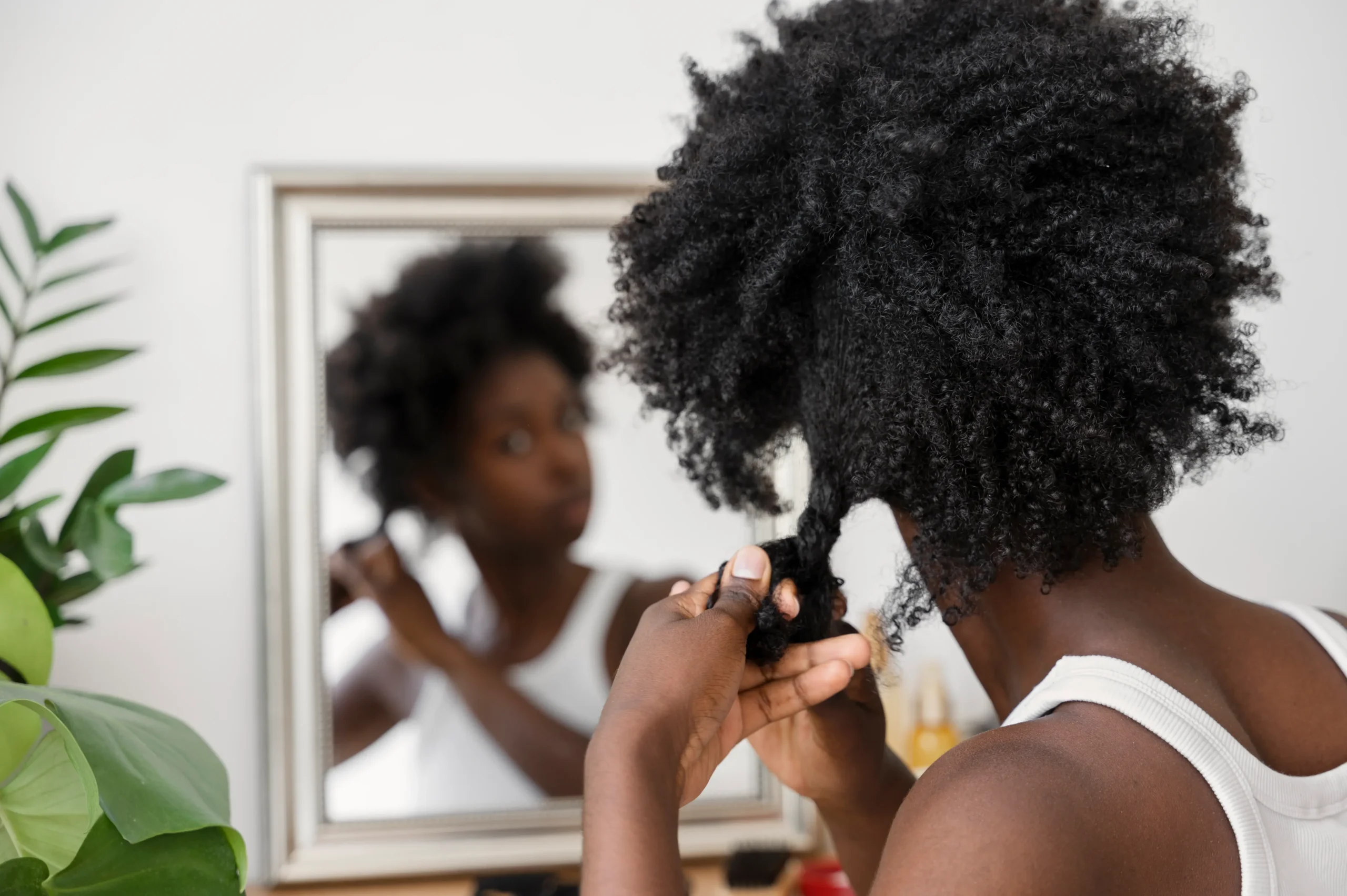
Maintaining healthy afro-textured hair requires consistency, patience, and the right care routine. Because afro hair is naturally coily and prone to dryness, a structured daily regimen can make a significant difference in length retention and overall hair strength. By following a proven routine and choosing the right afro hair products for hair growth, you can encourage healthier strands, reduce breakage, and improve scalp health over time.
Understanding Afro Hair and Why Routine Matters
Afro hair has a unique structure that makes it more delicate than straight or loosely curled hair types. The tight curls make it harder for natural oils to travel from the scalp to the ends, leading to dryness and breakage if not properly cared for.
A consistent routine:
-
Keeps the scalp clean and stimulated
-
Maintains moisture balance
-
Reduces shedding and split ends
-
Helps retain length over time
When paired with quality afro hair products for hair growth, a daily routine becomes the foundation for long-term hair success.
Morning Hair Care Routine
Your morning routine sets the tone for the day. It should focus on hydration, protection, and gentle styling.
1. Light Moisturising
Start by lightly misting your hair with water or a water-based leave-in conditioner. Afro hair thrives on moisture, and daily hydration prevents brittleness.
2. Apply Leave-In Conditioner
Use a lightweight leave-in conditioner to soften your strands and make them easier to manage. Look for ingredients like aloe vera, shea butter, or glycerin commonly found in afro hair products for hair growth.
3. Seal with Natural Oils
Seal in moisture using oils such as castor oil, jojoba oil, or coconut oil. Focus on the ends, as they are the oldest and most fragile part of your hair.
4. Protective Styling
Choose low-manipulation styles like twists, braids, buns, or puff styles. These reduce daily handling and help prevent breakage.
Scalp Care for Healthy Growth
Healthy hair starts with a healthy scalp. Neglecting scalp care can slow down growth and cause issues like dandruff or itching.
Scalp Massage
Massage your scalp for 5–10 minutes daily using your fingertips. This boosts blood circulation and encourages follicle stimulation.
Use Growth Oils
Apply growth oils two to three times a week, especially those enriched with peppermint, rosemary, or tea tree oil—ingredients often found in afro hair products for hair growth.
Wash Day Routine (Once a Week or Biweekly)
Wash day is crucial and should never be rushed.
1. Pre-Poo Treatment
Before shampooing, apply a pre-poo treatment using oils or conditioners. This protects hair strands from dryness and reduces tangling.
2. Gentle Cleansing
Use a sulphate-free shampoo to cleanse your scalp without stripping natural oils. Focus on the scalp rather than aggressively scrubbing the hair.
3. Deep Conditioning
Deep conditioning restores moisture, elasticity, and strength. Use a heat cap or steam for better penetration.
Consistent wash-day care ensures that afro hair products for hair growth work effectively by keeping the scalp clean and receptive.
Night-Time Hair Care Routine
Night care is just as important as daytime maintenance.
Protective Night Styles
Before bed, style your hair into loose braids or twists to reduce friction and tangling.
Satin or Silk Protection
Sleep on a satin pillowcase or wear a satin bonnet to retain moisture and minimise breakage.
Light Moisture Boost
If your hair feels dry, apply a small amount of leave-in conditioner or oil. Avoid heavy products at night to prevent buildup.
A proper night routine maximises the benefits of afro hair products for hair growth while you sleep.
Weekly and Monthly Hair Maintenance
Weekly Tasks
-
Moisturise and seal 2–3 times a week
-
Massage scalp regularly
-
Refresh protective styles
Monthly Tasks
-
Trim split ends
-
Clarify hair to remove product buildup
-
Assess product performance and adjust if needed
Using the right afro hair products for hair growth consistently ensures your routine continues delivering results.
Key Ingredients to Look For
When choosing products, always read ingredient labels. The following ingredients are known to support growth and hair health:
-
Castor oil
-
Shea butter
-
Aloe vera
-
Biotin
-
Coconut oil
-
Peppermint oil
Products containing these ingredients strengthen strands and support long-term use of afro hair products for hair growth.
Common Mistakes to Avoid
Even with the best routine, certain habits can slow progress:
-
Over-manipulating hair
-
Skipping regular moisturising
-
Using harsh shampoos
-
Ignoring scalp health
-
Switching products too often
Avoiding these mistakes allows afro hair products for hair growth to work effectively without setbacks.
How Long Before You See Results?
Hair growth is gradual. With consistent care:
-
Reduced breakage may be noticed within weeks
-
Improved moisture and softness within a month
-
Visible length retention after 3–6 months
Patience and routine consistency are key.
FAQs
How often should I moisturise afro hair?
Daily or every other day, depending on how quickly your hair dries out.
Can protective styles help hair growth?
Yes, low-manipulation styles help retain length by reducing breakage.
Is oil enough to moisturise afro hair?
No. Water-based moisture should always come first, followed by oil to seal.
Should I wash afro hair every week?
Weekly or biweekly washing works best, depending on your lifestyle and scalp condition.
Do I need many products for growth?
No. A simple routine with a few effective products is more beneficial than overloading hair.
Final Thoughts
A structured daily routine combined with patience and consistency can transform the health of afro-textured hair. By focusing on moisture, scalp care, and protection, you create the perfect environment for healthy growth. Choose your products wisely, stay consistent, and let your hair thrive naturally.
Leave a Reply